Blood transfusions
Transfusion-associated transmission (TAT) of West Nile virus was first recognized in the United States, in 2002. This prompted the rapid development of two nucleic acid testing (NAT) assays to screen donated blood for WNV viremia. By July 14, 2004, all blood banks in the United States had implemented testing.
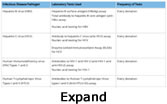 FDA recommends screening year-round for WNV using a licensed minipool nucleic acid-amplification testing (MP-NAT) or individual donation NAT (ID-NAT) on donor samples of whole blood and blood components (FDA 2008). Because of the dilution effect inherent in screening by MP-NAT, this method is less sensitive than ID-NAT. FDA further recommends that blood centers using MP-NAT screening establish criteria to switch to ID-NAT during periods of high WNV activity in their geographic area of collection.
Questions frequently ask by patients
- Can I get infected with West Nile virus by donating blood?
- Yes, but it is unlikely. A small number of West Nile virus infections acquired from blood transfusions have been reported. However, blood collection agencies have been screening all donated blood for West Nile virus since 2003 to minimize this risk.
- Is donated blood tested for West Nile virus?
- Each donor is screened for risk of transmissible disease including by questionnaire prior to donating blood, and each unit of blood donated in the United States is routinely screened for various infectious disease pathogens including WNV using FDA-approved assays.
- Can I donate blood if I was diagnosed with West Nile virus infection?
- If you have been diagnosed with West Nile virus by your doctor, you should not donate blood for 120 days. If you are diagnosed shortly after giving blood, you should tell your blood center. Donation centers try to ensure that donors who recently had West Nile virus do not give blood for 120 days. Let the center know if you have had a West Nile virus infection. They will help you decide if it is safe for you to donate.
- I recently had a transfusion. Should I be concerned about getting infected with West Nile virus?
- If you recently had a transfusion, you should be aware of the very small risk for West Nile virus infection. This risk may be higher during the summer when West Nile virus is most likely to infect blood donors. You should contact your doctor if you think you have symptoms caused by West Nile virus or other concerns.
- Can I be treated if I get West Nile virus disease after receiving blood?
- There are no specific medicines that can treat West Nile virus infection. You should contact your doctor if you think you have symptoms of West Nile virus. They may be able to give you medicine to help lessen some of your symptoms.
| West Nile Virus Disease Cases and Presumptive Viremic Blood Donors by State – United States, 2022 (as of January 10, 2023) |
State |
Neuroinvasive
Disease Cases† |
Non–neuroinvasive
Disease Cases |
Total
cases |
Deaths |
Presumptive viremic
blood donors‡ |
Alabama |
3 |
2 |
5 |
0 |
1 |
Arizona |
47 |
15 |
62 |
4 |
6 |
Arkansas |
2 |
3 |
5 |
1 |
0 |
California |
129 |
39 |
168 |
11 |
20 |
Colorado |
129 |
75 |
204 |
18 |
16 |
Connecticut |
7 |
0 |
7 |
0 |
0 |
Delaware |
1 |
0 |
1 |
0 |
0 |
District of Columbia |
1 |
0 |
1 |
0 |
0 |
Florida |
5 |
0 |
5 |
0 |
0 |
Georgia |
15 |
3 |
18 |
2 |
4 |
Idaho |
1 |
2 |
3 |
0 |
0 |
Illinois |
23 |
7 |
30 |
4 |
2 |
Indiana |
6 |
0 |
6 |
0 |
2 |
Iowa |
8 |
1 |
9 |
0 |
11 |
Kansas |
6 |
8 |
14 |
0 |
7 |
Kentucky |
2 |
2 |
4 |
1 |
0 |
Louisiana |
40 |
7 |
47 |
6 |
5 |
Maryland |
3 |
1 |
4 |
1 |
1 |
Massachusetts |
7 |
1 |
8 |
1 |
0 |
Minnesota |
15 |
4 |
19 |
1 |
2 |
Mississippi |
4 |
1 |
5 |
1 |
0 |
Missouri |
11 |
2 |
13 |
2 |
0 |
Nebraska |
37 |
27 |
64 |
4 |
24 |
New Jersey |
12 |
7 |
19 |
3 |
2 |
New Mexico |
8 |
3 |
11 |
1 |
3 |
New York |
66 |
13 |
79 |
3 |
7 |
North Carolina |
10 |
0 |
10 |
1 |
7 |
North Dakota |
8 |
18 |
26 |
0 |
10 |
Ohio |
5 |
2 |
7 |
1 |
2 |
Oklahoma |
2 |
0 |
2 |
1 |
1 |
Oregon |
0 |
5 |
5 |
0 |
0 |
Pennsylvania |
26 |
8 |
34 |
2 |
6 |
Rhode Island |
1 |
0 |
1 |
0 |
0 |
South Carolina |
9 |
1 |
10 |
1 |
9 |
South Dakota |
35 |
31 |
66 |
1 |
12 |
Tennessee |
2 |
3 |
5 |
0 |
1 |
Texas |
31 |
5 |
36 |
7 |
12 |
Utah |
5 |
0 |
5 |
0 |
0 |
Virginia |
5 |
0 |
5 |
1 |
0 |
Washington |
3 |
1 |
4 |
0 |
1 |
Wisconsin |
5 |
0 |
5 |
0 |
1 |
Wyoming |
2 |
1 |
3 |
0 |
0 |
Totals |
737 |
298 |
1,035 |
79 |
175 |
| Source: CDC West Nile Virus Home Statistics & Maps Preliminary Maps & Data for 2022. Accessed From: https://www.cdc.gov/westnile/statsmaps/preliminarymapsdata2022/disease-cases-state-2022.html |
Instant feedback:
Since WNV-NAT testing was instituted to check all blood in July, 2004, the blood supply is completely safe from WNV.
References:
CDC. West Nile Virus Home. Frequently Asked Questions. Retreived 11/3/17. https://www.cdc.gov/westnile/faq/blood.html
Food and Drug Administration. Guidance for industry: use of nucleic acid tests to reduce the risk of transmission of West Nile virus from donors of whole blood and blood components intended for transfusion. Rockville, MD: US Department of Health and Human Services, Food and Drug Administration; 2008.